

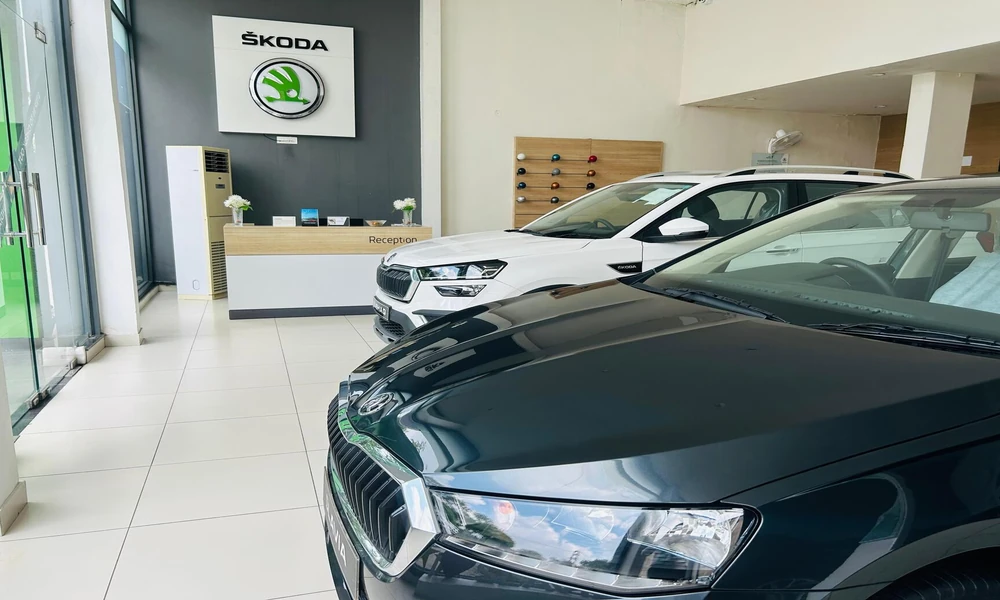
Compact hatchbacks tend to get overlooked in a market that’s increasingly obsessed with SUVs, and that’s a genuine shame, because a well-built small car still solves more everyday problems than most buyers give it credit for. Easier parking, lower running costs, and – done properly – genuinely enjoyable handling on the kind of roads most people actually drive every day.
The Fabia sits right at the centre of that conversation, and its sportier Monte Carlo variant adds a layer of character that’s worth understanding before you write the segment off in favour of something larger. Here’s what to actually consider if a compact hatchback is on your radar.
The Case for Going Compact
There’s a persistent assumption that bigger automatically means better, but for a huge proportion of daily driving – commuting, school runs, weekend errands – a compact hatchback is genuinely the more sensible choice. Smaller footprints make city parking and tight suburban streets noticeably less stressful, fuel consumption is typically lower, and servicing costs tend to track below larger vehicles in the same range.
What often gets missed is how much interior packaging has improved in this segment. Clever seat design, thoughtful storage cutouts, and efficient use of cabin space mean a well-designed compact hatch can comfortably handle a weekly shop, a couple of bags of golf clubs, or a pram, without the constant feeling of things being wedged in.
Getting a proper look at what’s currently available is worth doing before assuming you need something larger than you actually do.
What Sets the Fabia Apart
Within the compact segment, a few things tend to differentiate the stronger options from the merely adequate ones: ride comfort over rougher surfaces, cabin refinement at highway speeds, and genuine usability of the boot space rather than boot space that only looks good on a spec sheet.
The Fabia has built a reputation on getting these fundamentals right, offering a driving experience that feels more composed and grown-up than its size and price point might suggest. It’s the kind of car that tends to impress people more once they’re actually driving it than when they’re simply reading about it, which is exactly why a proper test drive matters more here than in almost any other category.
Introducing the Monte Carlo Edition
For buyers who want the practicality of a compact hatchback without sacrificing a bit of visual and driving character, the Monte Carlo variant is worth serious consideration. Named after the brand’s motorsport heritage, this edition typically brings a sportier aesthetic package – think darker trim detailing, distinctive alloy wheels, and sports-tuned suspension – alongside a more engaging feel behind the wheel compared to the standard variant.
It’s a genuinely appealing middle ground: you’re not stepping up to a full hot hatch with the running costs and insurance premiums that come with it, but you are getting a noticeably sharper, more characterful drive than the base model offers. For buyers who want their compact car to feel a little more special without a significant jump in price, this is exactly the gap the Monte Carlo edition is designed to fill.
Comparing the Standard and Monte Carlo Variants
The decision between a standard Fabia and the Monte Carlo edition typically comes down to priorities:
- Standard variant – better suited to buyers prioritising maximum value, a slightly softer ride, and a more understated aesthetic
- Monte Carlo edition – better suited to buyers who want sportier styling, a firmer, more engaging drive, and a bit more visual distinction on the road
Neither is objectively “better” – it genuinely depends on what you’re after. Test driving both back to back, ideally on the same day, is the clearest way to feel the difference rather than trying to judge it from a spec sheet alone.
What to Check on a Test Drive
A compact hatchback lives or dies on the details, particularly given how much time is typically spent in stop-start city traffic. On a test drive, pay close attention to:
- Ride quality over rough or uneven surfaces, not just smooth dealership roads
- Noise levels at highway speed, since smaller cars can sometimes struggle here more than larger ones
- Visibility, particularly rear visibility when reversing or parking
- Boot space with the rear seats both up and folded down
- Infotainment responsiveness and smartphone connectivity, since this is where a lot of daily interaction happens
Bringing along whatever you’d typically load into the boot – shopping, sports gear, a stroller – gives a far more realistic sense of everyday usability than simply looking at published boot capacity figures.
Running Costs Worth Considering
One of the strongest arguments for a compact hatchback is total cost of ownership. Lower fuel consumption, generally lower insurance premiums, and often lower servicing costs all add up meaningfully over a typical five-year ownership period compared to a larger vehicle.
It’s worth requesting an itemised breakdown of expected servicing costs and checking current fuel efficiency figures for both the standard and Monte Carlo variants, since sportier suspension and wheel packages can occasionally carry a small efficiency trade-off worth understanding upfront.
Is a Compact Hatchback the Right Fit?
If your daily driving is dominated by city streets, shorter commutes, and the occasional longer trip rather than constant highway towing or a large family to transport, a well-built compact hatchback genuinely competes with – and in many everyday scenarios, beats – a larger, more expensive alternative.
Taking a proper look at what’s currently on offer and booking a test drive of both the standard and Monte Carlo variants is the clearest way to work out which one actually fits how you drive, rather than assuming a bigger car is automatically the safer choice.
Final Thoughts
Compact hatchbacks don’t get the attention they deserve in a market increasingly dominated by SUVs, but for a huge number of everyday drivers, they remain one of the smartest, most cost-effective choices available. Whether you lean toward the practicality of the standard variant or the sportier character of the Monte Carlo edition, taking the time to properly test drive both will make the decision far easier than trying to work it out on paper alone.