

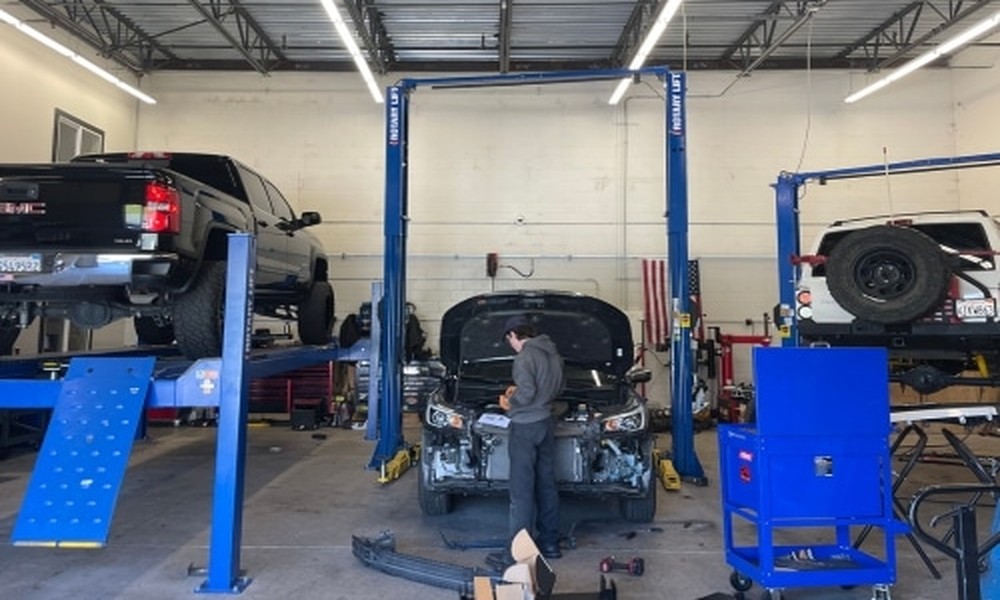
The Pacific Northwest brings a constant gray sky. Rain falls for many months every year. This wet weather tests every part of a vehicle. The wiper motor works harder here than in other places. Constant moisture creates unique challenges for car owners. Drivers must understand how this environment impacts mechanical parts. Reliable vision depends on a healthy wiper system. Water often leads to hidden damage over time. Proper maintenance keeps these motors running through the long winter.
Moisture Penetration Issues
Water finds every tiny gap in the car body. Rain seeps into the wiper motor housing slowly. The seals eventually become brittle and crack from age. Now the internal gears face the threat of rust. Moisture degrades the vital lubricants inside the metal casing. Corrosion then begins to slow down the motor speed. Sometimes the electrical contacts suffer from high humidity. This creates resistance in the small power circuits. Trinity’s Quality Auto Care sees these issues during the rainy season. A damp motor will eventually stop working without warning.
Corrosion and Electrical Failure
Road salt often mixes with the falling rain water. This salty spray accelerates the process of metal oxidation. The wiring harness becomes vulnerable to this harsh mixture. Corroded wires prevent the motor from receiving full power. Now the wipers might move in a jerky motion. Poor grounding causes many strange electrical glitches in cars. The motor might fail to park in the right spot. You should check the connections for signs of green rust. Auto Repair in Turner, OR provides help for these specific problems. Clean connections ensure the motor lasts for many years.
Mechanical Linkage Strain
The motor connects to a complex set of metal arms. Rain keeps these pivot points wet and dirty constantly. Dirt acts like sandpaper on the moving metal joints. This friction makes the motor work even harder today. Trinity’s Quality Auto Care inspects these linkages for binding issues. A stiff linkage will burn out a new motor. Regular lubrication protects these parts from the heavy rain. The motor should move freely without any physical resistance. Sometimes the arms become bent from the heavy wind. This creates an uneven load on the internal drive gear.
Conclusion
The Oregon climate is very tough on wiper motors. Constant rain leads to rust and electrical failure early. Heavy usage wears out the internal parts quite quickly. But regular inspections keep your vision clear and safe. You must watch for slow movement or strange noises. Addressing small issues prevents total failure on the road. Protect your vehicle from the relentless Pacific Northwest moisture. A strong motor ensures safety during every dark storm. Proper maintenance saves money and keeps drivers very happy.